
Introduction
Artificial Intelligence (AI) is no longer a futuristic concept—it has become an integral part of our daily lives. From voice assistants and recommendation systems to automation tools and predictive analytics, AI is quietly shaping how we work, communicate, and make decisions. In 2026, the impact of AI is deeper and more transformative than ever before, influencing not just industries but also individual career paths and societal structures.
This blog explores how AI is revolutionizing different aspects of life, the opportunities it brings, and how individuals and businesses can adapt to thrive in this rapidly evolving landscape.
What is Artificial Intelligence?
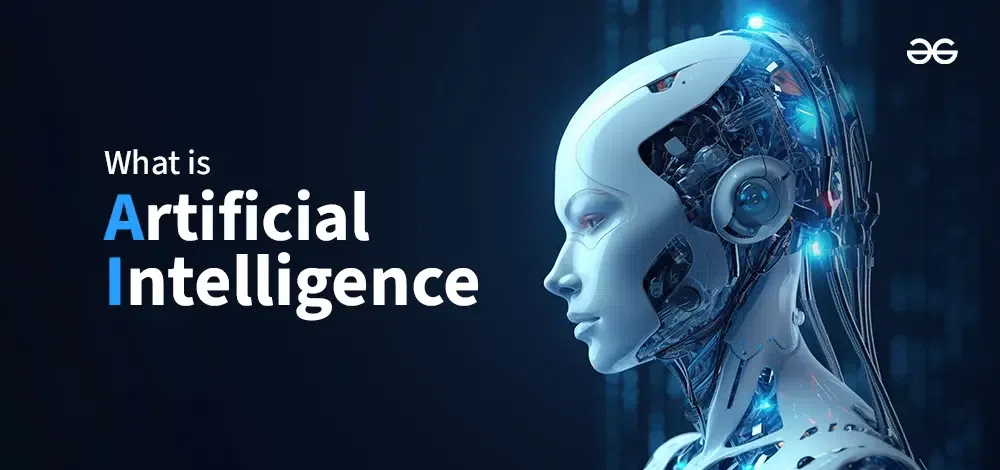
Artificial Intelligence refers to the ability of machines to simulate human intelligence. This includes learning from data, recognizing patterns, making decisions, and even understanding language. Technologies such as machine learning, deep learning, natural language processing (NLP), and computer vision are all part of the AI ecosystem.
Unlike traditional software, AI systems improve over time by analyzing large amounts of data. This ability to learn and adapt is what makes AI so powerful and disruptive.
The Role of AI in Modern Businesses
AI has become a game-changer for businesses across industries. Companies are leveraging AI to improve efficiency, reduce costs, and enhance customer experiences.
1. Automation and Productivity
AI-powered automation tools are reducing the need for repetitive manual tasks. From data entry to customer support, AI systems can handle high-volume operations with speed and accuracy. This allows employees to focus on more strategic and creative work.
2. Data-Driven Decision Making
Businesses now rely heavily on AI-driven analytics to make informed decisions. AI can analyze massive datasets in seconds, uncovering insights that would take humans days or even weeks to process.
3. Personalized Customer Experience
AI enables hyper-personalization by analyzing user behavior and preferences. Whether it’s product recommendations, targeted ads, or chatbots, AI helps businesses deliver tailored experiences to customers.
4. Cost Optimization
By automating processes and improving efficiency, AI helps organizations reduce operational costs while maintaining high performance.
How AI is Changing Career Opportunities
One of the most discussed aspects of AI is its impact on jobs. While AI is automating certain roles, it is also creating new opportunities.
Jobs That Are Evolving
Roles involving repetitive tasks are gradually being automated. However, this doesn’t mean job loss—it means job transformation. For example:
- Data entry roles are evolving into data analysis positions
- Customer support roles are shifting toward AI management and supervision
New Career Opportunities
AI is creating demand for new roles such as:
- AI Engineers
- Data Scientists
- Machine Learning Specialists
- AI Ethics Consultants
- Automation Experts
Importance of Upskilling
To stay relevant, professionals must focus on continuous learning. Skills like critical thinking, problem-solving, adaptability, and digital literacy are becoming essential in the AI-driven world.
AI in Everyday Life
AI is not limited to businesses—it is deeply integrated into our daily routines.
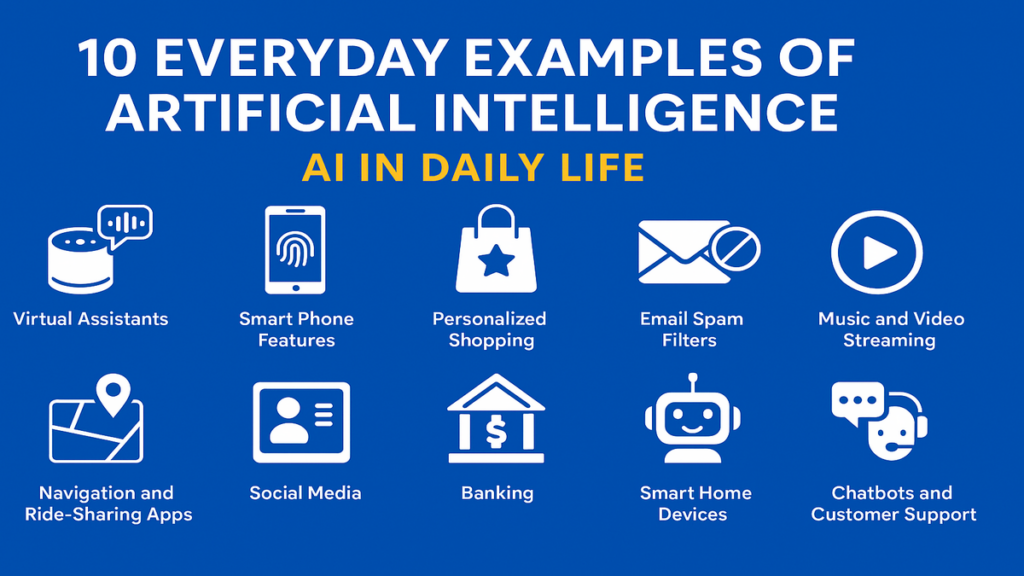
- Smart Assistants: Voice assistants help manage schedules, answer queries, and control smart devices
- Healthcare: AI assists in diagnosis, treatment recommendations, and patient monitoring
- Education: Personalized learning platforms adapt to individual student needs
- E-commerce: AI-driven recommendations improve shopping experiences
These applications demonstrate how AI is enhancing convenience and efficiency in everyday life.
Benefits of Artificial Intelligence
AI offers numerous advantages that are driving its rapid adoption:
1. Increased Efficiency
AI systems can perform tasks faster and more accurately than humans, leading to improved productivity.
2. Better Decision Making
AI provides data-driven insights that help individuals and organizations make smarter decisions.
3. 24/7 Availability
Unlike humans, AI systems can operate continuously without fatigue, ensuring consistent performance.
4. Innovation and Growth
AI enables businesses to innovate, create new products, and explore new markets.
Challenges and Concerns of AI
Despite its benefits, AI also presents several challenges that cannot be ignored.
1. Job Displacement
Automation may replace certain jobs, creating uncertainty for workers.
2. Data Privacy Issues
AI relies on large amounts of data, raising concerns about data security and privacy.
3. Ethical Considerations
AI systems may exhibit bias if trained on biased data, leading to unfair outcomes.
4. Dependence on Technology
Over-reliance on AI can reduce human involvement and critical thinking.
Future of AI: What to Expect
The future of AI is both exciting and unpredictable. Some key trends to watch include:
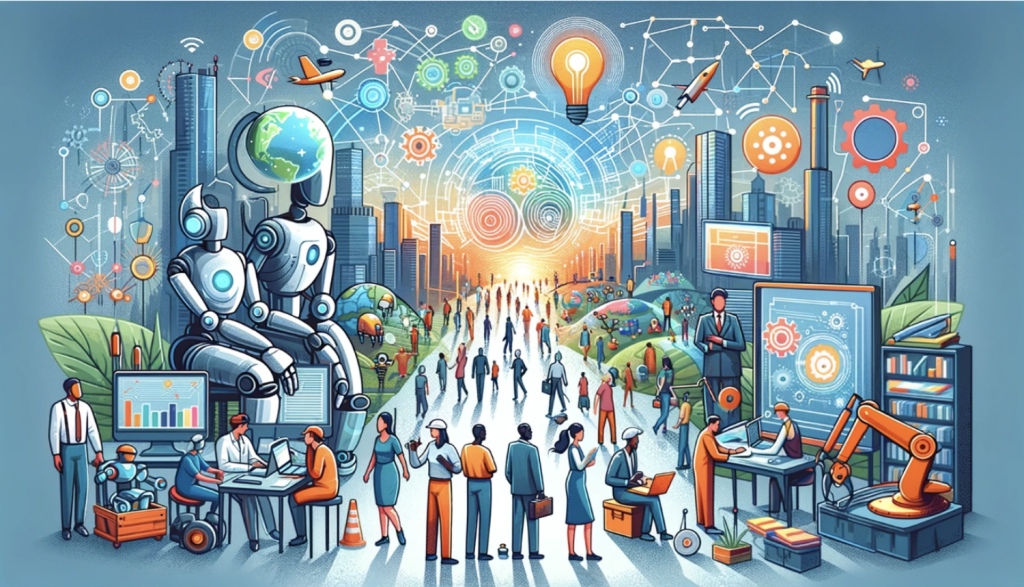
- Generative AI: Tools that create content, images, and videos
- AI in Cybersecurity: Advanced threat detection and prevention
- Human-AI Collaboration: Working alongside AI systems rather than competing with them
- AI Regulation: Governments introducing policies to ensure ethical use
As AI continues to evolve, its influence will expand across all sectors, making it essential for individuals and organizations to stay updated.
How to Prepare for an AI-Driven Future
Adapting to AI is not optional—it is necessary. Here are some practical steps:
1. Learn New Skills
Focus on skills that complement AI, such as creativity, communication, and analytical thinking.
2. Embrace Technology
Instead of fearing AI, learn how to use it effectively in your work.
3. Stay Updated
Keep up with the latest trends and developments in AI.
4. Build a Growth Mindset
Be open to change and continuous learning.
Conclusion
Artificial Intelligence is transforming the world at an unprecedented pace. From reshaping industries to redefining careers, its impact is undeniable. While challenges exist, the opportunities far outweigh the risks for those who are prepared to adapt.
The key to success in the AI era lies in embracing change, upgrading skills, and understanding how to work alongside intelligent systems. AI is not here to replace humans—it is here to enhance human potential.